



Performance Max has quickly become one of the most talked-about Google Ads campaign types. Yet, many advertisers still hesitate to use it due to long-standing misconceptions. In 2025, Google has addressed several of these concerns, making it essential to separate Performance Max myths from facts.
Myth 1: Performance Max is a black box
Many believe Performance Max campaigns lack transparency across channels.
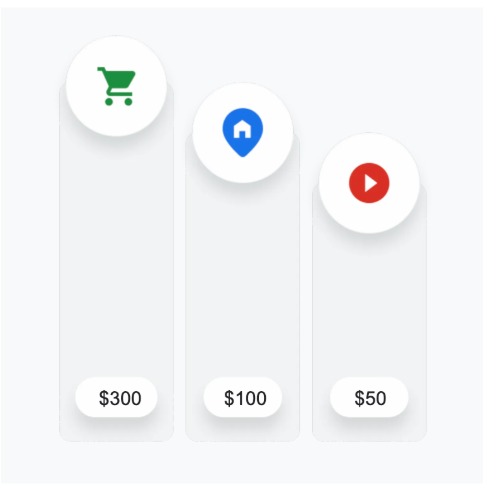
Fact: Channel-level performance reporting is now available, allowing advertisers to see how Search, Display, YouTube, Discover, and Shopping ads contribute to results. This visibility helps brands optimize campaigns with clarity and confidence.
Myth 2: No control over search terms or brand safety
Advertisers often worry their brand may appear for irrelevant queries.
Fact: Performance Max search terms reporting now offers the same granularity as Search and Shopping campaigns. With campaign-level negative keywords, brands can control relevance and protect brand intent.
Myth 3: Asset performance is unclear
It’s often assumed that Performance Max assets can’t be evaluated properly.
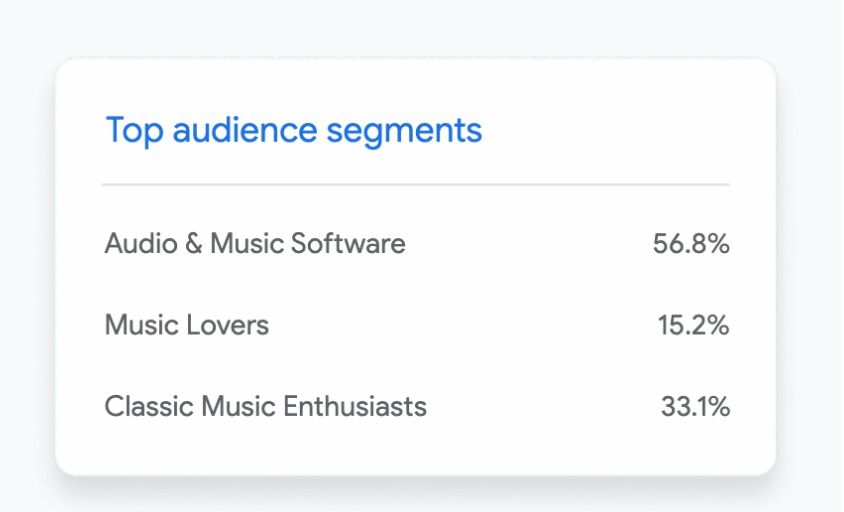
Fact: Advertisers can now see clicks, conversions, cost, and asset-level performance, including both AI-generated assets and uploaded creatives. This makes it easier to identify what resonates best with audiences.
In 2025, Performance Max in Google Ads is no longer a guessing game. With better reporting, transparency, and control, it’s a powerful tool when managed strategically. At Pepi Digital, we help brands unlock the full potential of Performance Max advertising driven by data, not assumptions.