

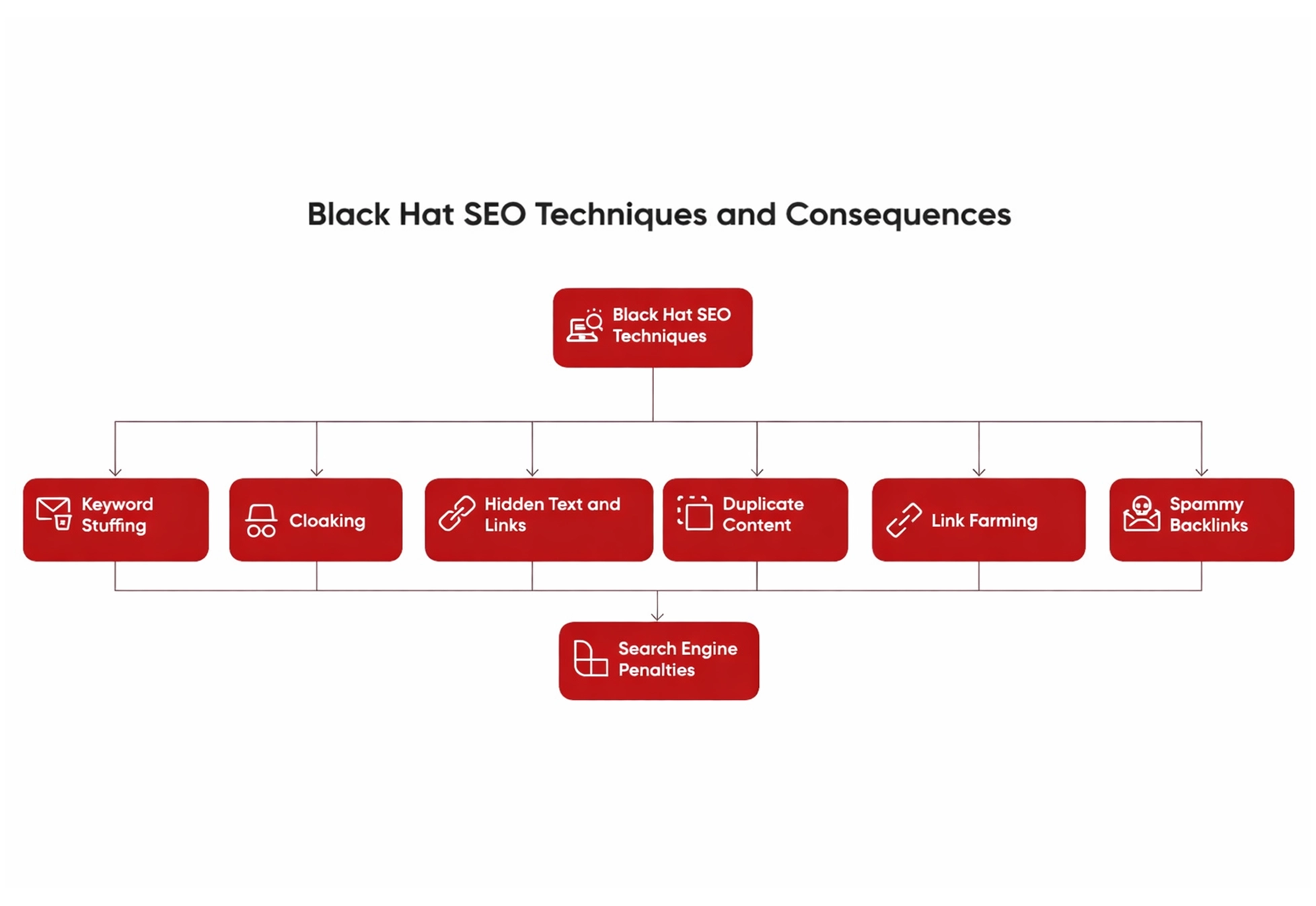
Black hat SEO has always existed. In the past, keyword stuffing, spam backlinks, and low-quality content farms were used to manipulate Google rankings. Over time, search engines improved, and many of these tactics became less effective.
Now, black hat SEO is evolving again and this time, it’s targeting AI-generated search results.
This threat is known as AI poisoning, and it poses a growing risk to brands that rely on search visibility, trust, and conversions.
What is AI Poisoning?
AI poisoning is when bad actors publish misleading or manipulated content across the web with the goal of influencing what AI tools say about a brand or topic.
Instead of trying to rank spam pages in the SERP, the attacker tries to “train” AI systems to repeat false or biased information. This can affect:
- AI-generated summaries
- product comparisons
- “Best tools” recommendations
- brand reputation-related queries
This is why AI poisoning is becoming a new form of negative SEO; it can damage visibility and credibility without directly affecting your website rankings.
Why AI Poisoning Matters for SEO and Digital Marketing
AI-based discovery is increasing fast. People now use AI tools to answer questions like
- “Is this brand reliable?”
- “Compare Brand A vs Brand B”
- “What are the disadvantages of this product?”
- “What’s the best solution for X?”
If an AI system responds with misinformation, it can quietly shape customer perception before they even reach your website.
This makes AI poisoning a direct threat to:
- brand reputation management
- online visibility
- lead quality and conversions
- long-term trust
And unlike traditional black hat tactics, AI poisoning is harder to detect because the misinformation may show up in AI answers even when your SEO performance looks stable.
How to Protect Your Brand (Pepi Digital’s Approach)
At Pepi Digital, we recommend treating AI visibility as part of your SEO and content marketing strategy. Here are the steps that matter:
1) Monitor AI answers like you monitor the SERP
Run repeatable prompts weekly:
- “Brand name + reviews”
- “Brand name + pricing”
- “Brand name vs competitor”
- “Best [category] tools.”
Track how AI-generated answers change over time.
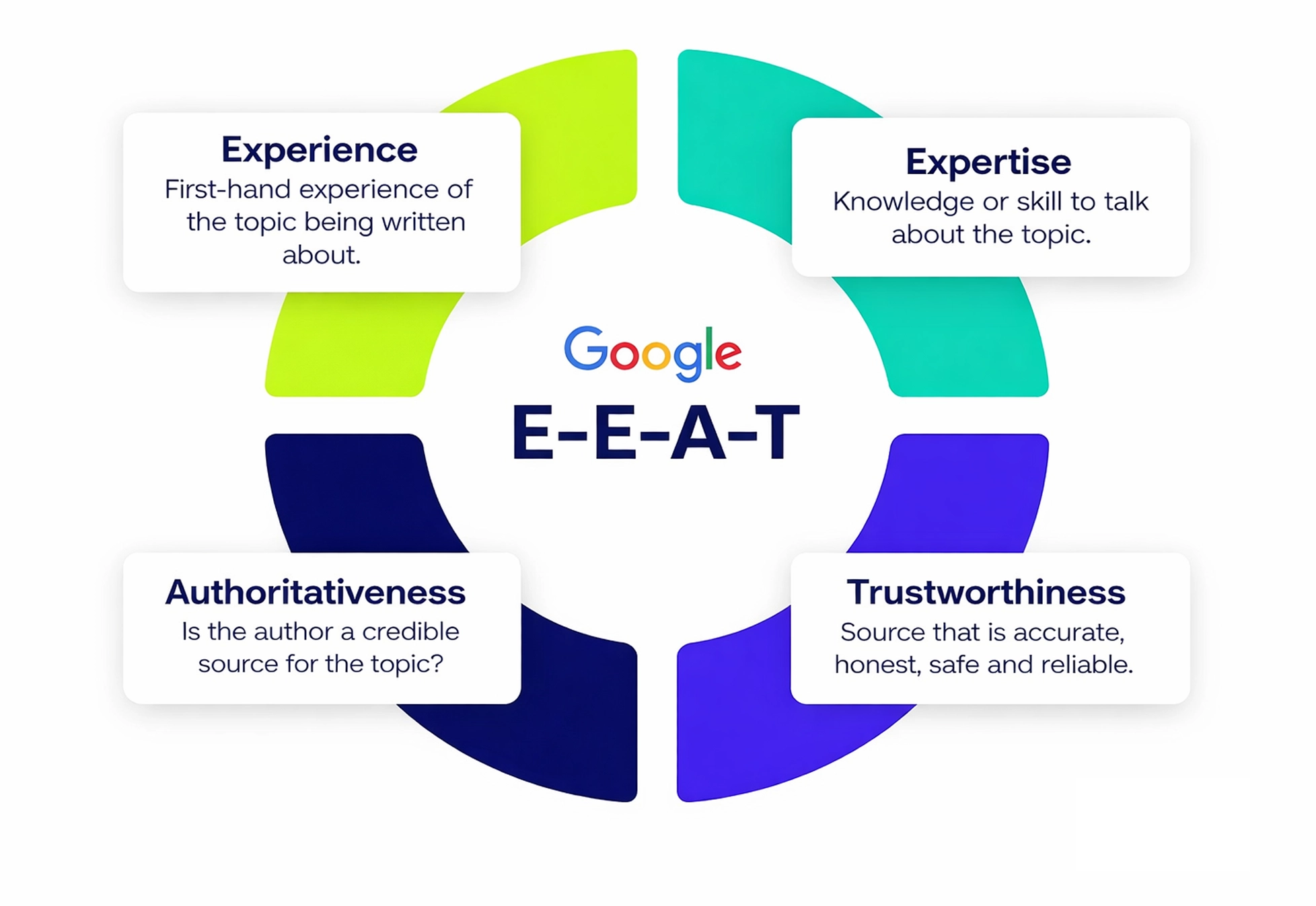
2) Create “defensive content” built for E-E-A-T
Publish content that AI systems can confidently pull from:
- FAQs, comparison pages, and product explainers
- clear pricing and feature breakdowns
- trust pages (security, compliance, support, policies)
This strengthens E-E-A-T and reduces misinformation risk.
3) Build authority with digital PR and backlinks
Brands with stronger authority signals are less vulnerable to manipulation. Invest in:
- high-quality backlinks
- credible mentions through digital PR
- thought leadership content
- consistent messaging across platforms
4) Watch UGC, forums, and review ecosystems
Many poisoning attacks start in low-quality sites or community spaces. Use monitoring to catch unusual spikes in negative narratives early.
AI poisoning is the new black hat SEO. Brands that want long-term SEO success must protect their reputation not only in Google Search, but also across AI-generated answers.
The best defense is proactive: monitoring, authoritative content, and strong credibility signals.
If you want Pepi Digital to help you build a future-ready SEO and AI SEO strategy, we’re ready.